
Thank you for Subscribing to Retail Business Review Weekly Brief

LSH Auto Australia
Charles McComb, Head of Human Resources
Leading HR with Purpose, Presence and a Human Voice
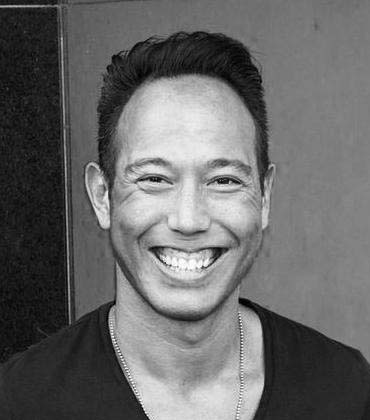
Charles McComb
In this interview, McComb emphasizes the evolution of HR from a reactive function to a proactive, human-centered strategic partner. It highlights the importance of presence, empathy and long-term workforce planning in shaping culture and driving meaningful change.
Charles McComb began his career designing English language programs for schools in Japan. While studying to enter law school, he rose to department supervisor at Morrison & Foerster LLP at their Tokyo offices. Inspired to pivot into HR, he earned a master’s degree and spent over two decades leading end-to-end HR transformation for Mercedes-Benz, the last 10 years as Head of Human Resources for LSH Auto Australia, part of LSH Auto International, the largest Mercedes-Benz retail group in the world Building Culture with Purpose through Global Brand Identity I’ve always believed that values shape culture. Trust, integrity, teamwork, relevance and social responsibility are the values that guide how we at LSH lead and work together. When I joined Lei Shing Hong Pty Ltd in 2015, we didn’t have a global identity. We were already the world’s largest MercedesBenz dealer group, yet few knew who we were beyond local markets. We operated under our principal, Mercedes-Benz, putting them at the forefront. Everything changed in 2017 when Mercedes-Benz acquired 15 percent of our automotive division. That moment was a turning point. It inspired us to think deeply about our identity, purpose and promise to our people and clients. This wasn’t about creating new logos or running campaigns. It was about understanding who we were and how we wanted to be perceived. I feel fortunate to have contributed to defining our early values and mission. Trust, integrity, teamwork, relevance and social responsibility became more than words on paper. They became the way we make decisions and support one another every day. The clearest expression of this is our people’s mission: “You Matter. Always.” It’s simple but powerful, reflecting how we want every team member to feel in Australia and across our global group. That mindset anchors our culture. It shapes every message we share internally and externally. It keeps us aligned with MercedesBenz’s slogan, “The best or nothing”, always striving for the best, while staying true to our authentic identity. Together, this strengthens one of the most iconic partnerships in the world. Coaching Leaders to Lead with Empathy and Intent HR needs to operate outside of black and white. Every business relies on its people and each person brings unique motivations, expectations and needs. HR’s approach should reflect that. “While we may speak broadly at times, personalization matters when it comes to individuals. How I engage with a sales executive differs greatly from how I coach a technician, support an administrator or partner with my Managing Director.” We may speak broadly at times, but personalization matters when it comes to individuals. How I engage with a sales executive differs from how I coach a technician, support an administrator or partner with my Managing Director. My responsibility is to adapt, not walk in with rigid rules. I start by understanding the environment and the person in front of me. I do not rush to solve problems. I spend time getting to know the person and the situation. HR conversations can be challenging, but you build trust by setting aside the clinical tone and leading with empathy. That trust creates space for meaningful outcomes. Cultural change does not come from big declarations. It comes from small, consistent actions reinforcing the right behaviors. I have seen leaders launch grand initiatives that make a splash, but without consistency, old habits return. Real change comes from quieter, repeated actions that build credibility over time. When I coach leaders, my focus is on making a change stick. It starts with being present, listening and leading with clear intent. Performance management comes up often when mentoring leaders Too often, HR only comes in at the eleventh hour when a manager has already decided to let someone go. That has never been how I operate. HR should be involved early, not just as a fixer but as a strategic partner. I remind my team often about the importance of walking the floor, staying close to leaders and spotting issues before they escalate. When HR comes in late, due diligence usually falls short. Communication is unclear, documentation is missing and fairness gets overlooked. That helps no one. We mentor managers to manage performance well and raise concerns early. Most problems come from communication breakdowns, so keeping lines open empowers people. When employees understand why decisions are made, whether about strategy or feedback, they stay engaged and aligned. I often think of Simon Sinek’s point that people must know the “why.” Your team members deserve to understand why decisions are being made and how those decisions will affect them. Right now, my focus is on the long game, what our business will look like in three, five and ten years. I work closely with our Managing Director on people-power planning, looking at global shifts in the Mercedes-Benz brand, the rise of EVs, stronger competition and in a shrinking talent market. At the same time, I stay engaged with our daily operations, which gives me greater insight into what is working, what needs tweaking and what needs to be overhauled. That is the nature of this role. It is broad, hands-on and deeply human. With a small team, we cover a lot. Whether it is a one-onone check-in or shaping our workforce strategy for the next decade, it always comes down to staying connected early and often. Leading with Presence in an AI-Driven Landscape The AI space is evolving quickly and it can feel hard to keep up. AI is becoming more intuitive and accessible, including in HR. Still, I believe human connection will remain critical for at least the next five to ten years, especially in coaching, performance management and team development. That is why we must stay grounded, not sitting in ivory towers dictating policy. We need to roll up our sleeves and work alongside our people. We do not just hand over a playbook and step back when implementing a strategy. We guide, coach and stay involved. That builds trust, drives results and keeps us relevant. AI can streamline admin tasks and we use tools to improve workflows. We are deliberate about where and how we use them. Relying too much on automation risks losing empathy, emotional intelligence and common sense. AI cannot read the room or handle tough conversations. The real value of HR is not just in systems or efficiency. It is in being present, supporting people through change, asking the right questions and listening. As long as we keep our seat at the table and stay involved, HR will remain a powerful force shaping culture, not just a background function. Human-Centered Leadership is a Strategic Asset One thing I have found most valuable in my career and always share with my team is this: always put your hand up. Say yes, even when it feels outside your comfort zone. Do not wait for opportunities to come to you. Be proactive. Show the business that you belong at the table. HR often becomes the punchline. We have all seen the stereotype. That comes from companies that fail to do HR well. They forget the “human” in human resources. Our role is to connect with people, support them and bring common sense and perspective. That mindset of being human and present guides how I lead. I built it by stepping up, talking to managers and taking on challenges I could have easily avoided if I stayed behind my desk. Reputations are built in those casual moments when someone says, “While you’re here, can you help me with this?” You become the person who shows up and can be counted on. That visibility builds trust. Soon, you will not be behind a desk. You are out coaching, supporting and working alongside leaders. That is how you make yourself invaluable. When I built the HR function for LSH in Australia, I did so as a strategic partner. HR earned its seat beside the Managing Director. That trust came from showing up, delivering and constantly raising our hands. To anyone new in HR, my advice is simple. Do not shy away from conversations. Be visible. Be helpful. And never be the fun police. No one likes the fun police. Your job is to support, not control. Create a culture people want to be part of. That is what HR is really about.The articles from these contributors are based on their personal expertise and viewpoints, and do not necessarily reflect the opinions of their employers or affiliated organizations.
